COMPOSITE BONDING
Composite bonding can refine the shape, proportion and symmetry of teeth using carefully layered tooth-coloured resin — often with minimal or no removal of natural tooth structure.
Conservative by nature. Designed around you.

THE APPROACH
My approach to composite bonding starts with understanding the whole smile — tooth position, proportions, function and the relationship between the teeth and surrounding tissues. Where teeth are significantly out of position, moving them first may allow us to achieve a more natural result with less restorative treatment. When bonding is appropriate, the aim is to preserve natural tooth structure while making subtle improvements to shape, symmetry and proportion.
01 PRESERVE
Protect natural tooth structure wherever possible.
02 POSITION
Consider tooth position before adding restorative material.
03 REFINE
Use composite carefully to improve proportion, shape and harmony.
WHAT COMPOSITE BONDING CAN ADDRESS
Chipped or fractured teeth
Uneven tooth edges
Small gaps between teeth
Tooth shape and proportion
Minor asymmetry
Worn teeth
Selected discolouration or surface defects
Every case is assessed individually. Composite bonding may not always be the most appropriate treatment, particularly where tooth position, bite or underlying dental health should be addressed first.
THE PROCESS
01 — CONSULTATION
Your concerns, dental health, tooth position, bite and treatment goals are assessed before discussing the most appropriate options.
02 — PLANNING
Photography, digital scanning and appropriate digital planning can be used to assess proportions and visualise the intended result.
03 — TREATMENT
Composite resin is carefully applied and shaped directly onto the tooth to create the planned form while preserving natural tooth tissue wherever possible.
04 — REVIEW & MAINTENANCE
The restorations are reviewed, refined where required and maintained through appropriate oral hygiene, professional care and periodic polishing when indicated.
SELECTED CASES
BEFORE

AFTER
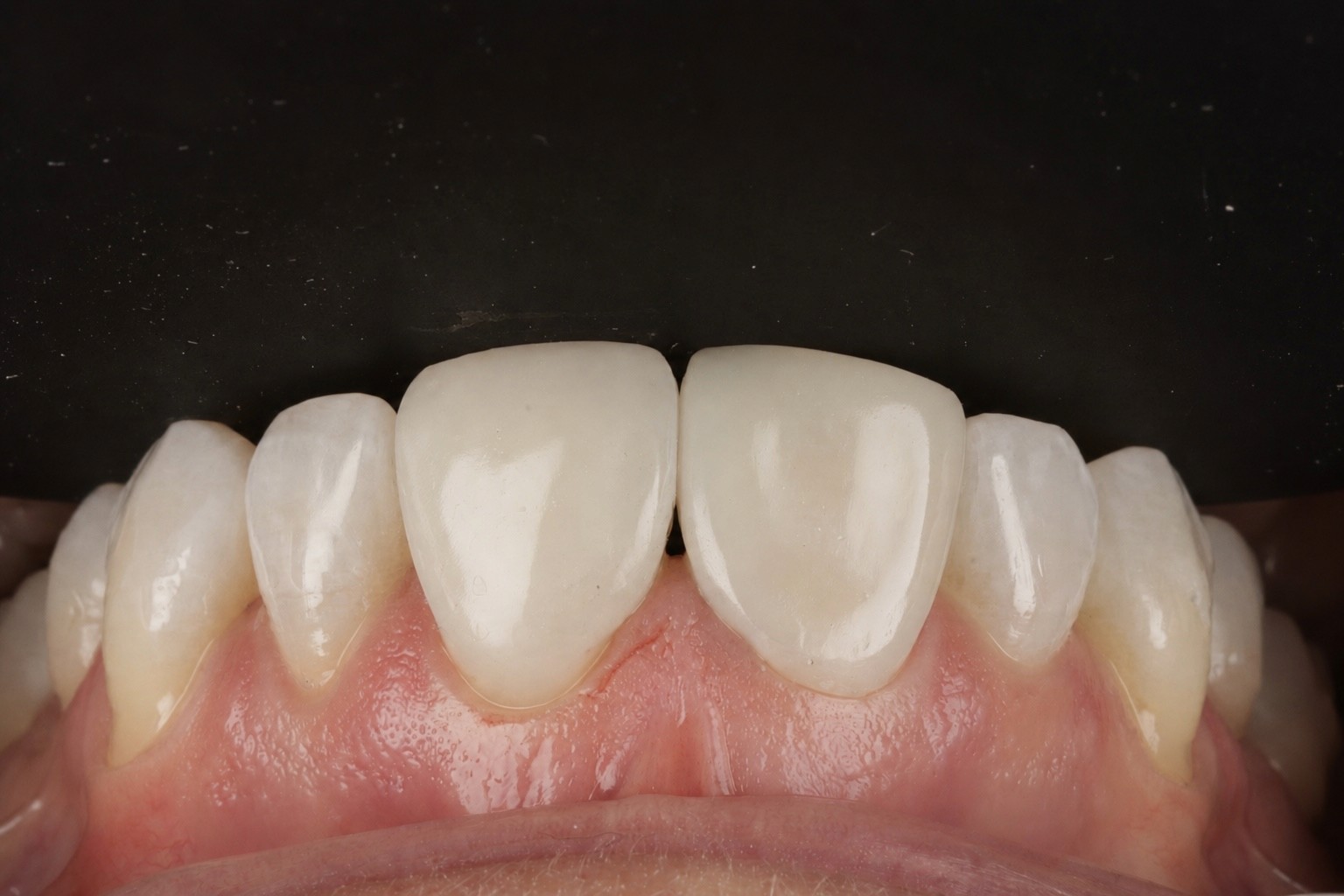
Case 01
COMPOSITE BONDING
Conservative restoration of anterior tooth form and symmetry.
BEFORE

AFTER

Case 02
COMPOSITE BONDING
Restorative refinement designed around natural proportion and tooth preservation.
FREQUENTLY ASKED QUESTIONS
Does composite bonding damage the teeth?
How long does composite bonding last?
Can composite bonding stain?
Can bonding chip?
Will my teeth need drilling?
Can bonding be combined with clear aligners?
Can composite bonding be repaired?
Is composite bonding right for everyone?
CONSULTATION
Every smile is different. A consultation allows us to understand what you would like to change, assess your dental health and discuss whether composite bonding — or another approach — is most appropriate for you.
Consultations with Dr Kunal Rai at Meliora Dental, Leeds.